Get Vapor Barrier Installation in Chicago, IL
Vapor barrier installation services help property owners in Chicago, IL, and nearby areas prevent moisture problems, mold growth, and structural damage in basements and crawl spaces.
Vapor barrier installation services are a practical solution for property owners in Chicago, IL seeking to enhance the durability and functionality of their buildings. These barriers help prevent moisture from seeping into floors, walls, and foundations, reducing the risk of mold growth, wood rot, and structural damage. By controlling moisture levels, vapor barriers contribute to a healthier indoor environment, offering increased comfort and safety for occupants. Additionally, they can improve the overall curb appeal by maintaining a cleaner, more stable exterior appearance over time.
Investing in vapor barrier installation also provides long-term benefits such as reduced maintenance costs and increased building longevity. Properly installed barriers help protect foundational elements from moisture-related deterioration, which can lead to costly repairs if neglected. Property owners often consider these services to ensure their structures remain resilient against Chicago’s seasonal humidity and temperature fluctuations, ultimately supporting the safety, functionality, and visual appeal of their properties. Local service providers can assist with expert installation tailored to specific building needs.
- Vapor barrier installation services are essential for basement or crawl space moisture control in areas prone to high humidity.
- Homeowners in Chicago, IL and surrounding regions may seek vapor barrier services to prevent mold and structural damage.
- New construction projects often require vapor barriers to ensure proper moisture management from the outset.
- Remodeling or finishing basements can benefit from vapor barrier installation to create a healthier living environment.
- Property owners experiencing signs of excess dampness or mold may contact local providers for vapor barrier solutions.
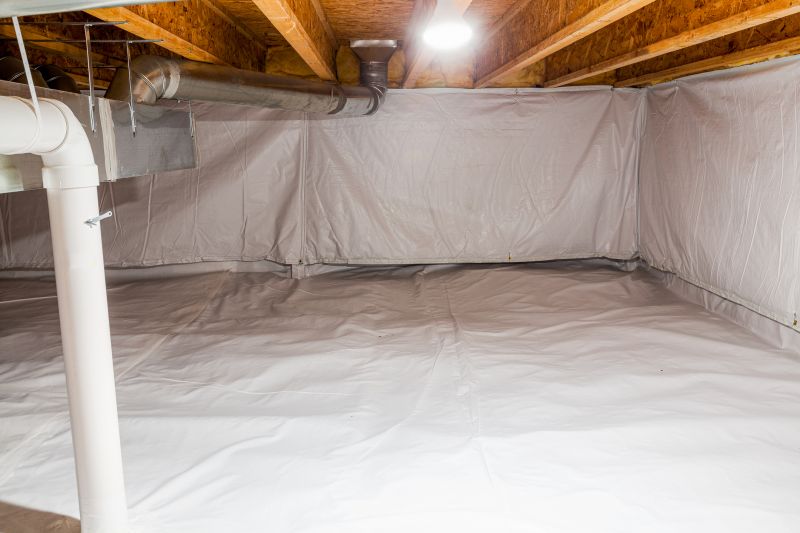
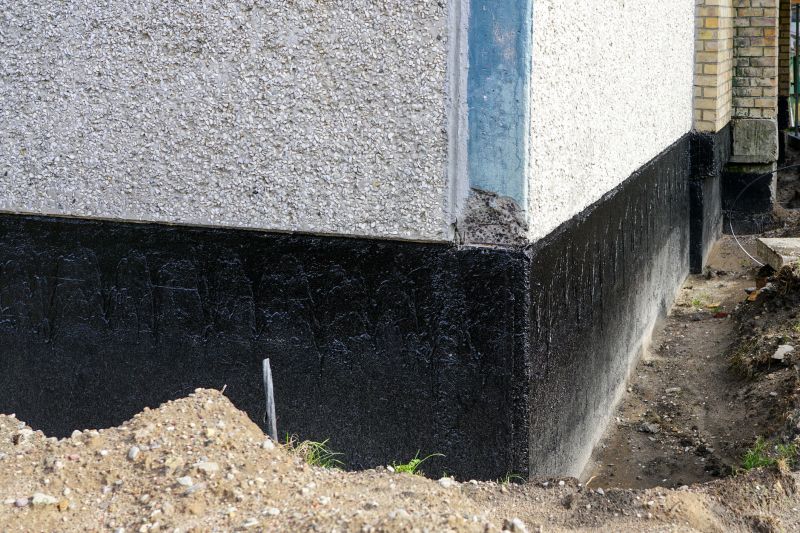
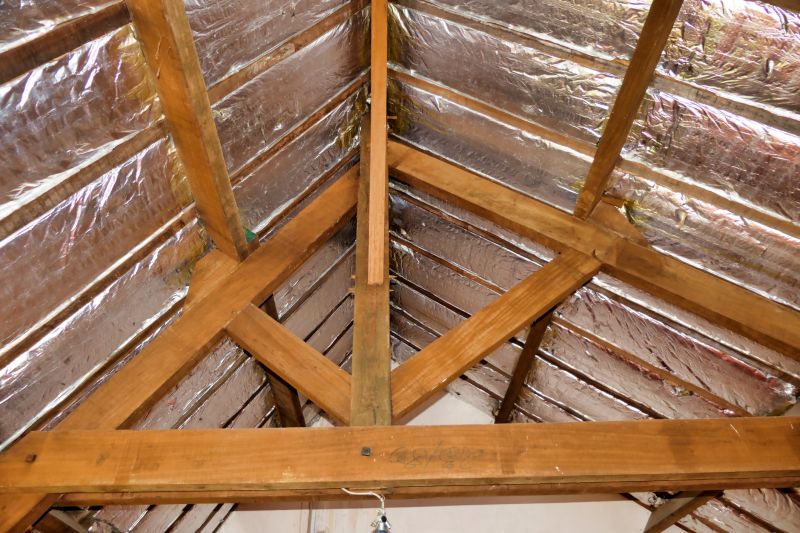
Vapor barrier installation services involve placing a moisture-proof layer within building structures to prevent the infiltration of water vapor. This process typically includes assessing the property’s specific needs, selecting appropriate materials such as plastic sheeting or specialized membranes, and properly installing the barrier in areas prone to moisture buildup. The goal is to create a continuous, sealed layer that minimizes the transfer of moisture from the ground or surrounding environment into interior spaces, thereby protecting the building’s structural components and interior finishes.
This service addresses common issues related to excess moisture, such as mold growth, wood rot, and increased humidity levels. Moisture that escapes from the ground or through walls can lead to significant damage over time, impacting both the durability of the property and indoor air quality. Vapor barriers help mitigate these problems by controlling moisture migration, which can be especially important in areas with high humidity or in structures that are built on or near damp ground.
Properties that typically utilize vapor barrier installation include residential homes, especially basements and crawl spaces, as well as commercial buildings and industrial facilities. Homes in regions with high humidity or frequent rainfall often benefit from vapor barriers to prevent moisture-related issues. Additionally, new construction projects may incorporate vapor barriers during the building process to enhance long-term durability, while renovation or repair projects may require retrofitting existing structures to address moisture concerns.
Professional vapor barrier installation services can be tailored to the specific needs of different property types and environmental conditions. Service providers focus on ensuring proper material selection, effective sealing, and correct placement to maximize moisture control. By addressing moisture infiltration proactively, property owners can help protect their investments from structural damage, reduce the risk of mold growth, and maintain healthier indoor environments.
The overview below groups typical Vapor Barrier Installation projects into broad ranges so you can see how smaller, mid-sized, and larger jobs often compare in Chicago, IL.
In many markets, a large share of routine jobs stays in the lower and middle ranges, while only a smaller percentage of projects moves into the highest bands when the work is more complex or site conditions are harder than average.
Material Costs - The cost of vapor barrier materials typically ranges from $0.25 to $0.75 per square foot, depending on the type and quality chosen. For a standard basement, material expenses can vary from about $100 to $500. Local contractors can provide precise estimates based on specific project requirements.
Labor Expenses - Installation labor costs generally fall between $0.50 and $1.50 per square foot. For a typical residential project, total labor fees might range from $200 to $1,000. Rates can differ based on the complexity of the installation and local market conditions.
Project Size Impact - Larger areas, such as expansive basements or multiple spaces, tend to increase overall costs proportionally. For example, a 1,000-square-foot area could cost between $500 and $2,000 including materials and labor. Contractors can assess specific project sizes to provide accurate quotes.
Additional Costs - Extra expenses may include surface preparation, sealing, or reinforcement, which can add $100 to $300 or more. These costs depend on existing conditions and the scope of work required, with local pros offering detailed estimates based on site assessments.
Actual totals will depend on details like access to the work area, the scope of the project, and the materials selected, so use these as general starting points rather than exact figures.
Basement Renovation - Vapor barrier installation is often a key step in basement finishing projects to prevent moisture issues and protect new finishes.
Attic Insulation - Installing vapor barriers in attics helps control moisture levels and improve overall insulation effectiveness.
Concrete Floor Coatings - Proper vapor barriers are essential beneath concrete floors to prevent moisture from damaging surface coatings and finishes.
Foundation Waterproofing - Vapor barriers are integrated into foundation waterproofing systems to reduce indoor humidity and prevent mold growth.
Garage Conversion - When converting garages into living spaces, vapor barriers help manage moisture and maintain indoor air quality.
Commercial Building Maintenance - Vapor barrier installation is part of ongoing maintenance to ensure building interiors remain dry and free of moisture-related problems.
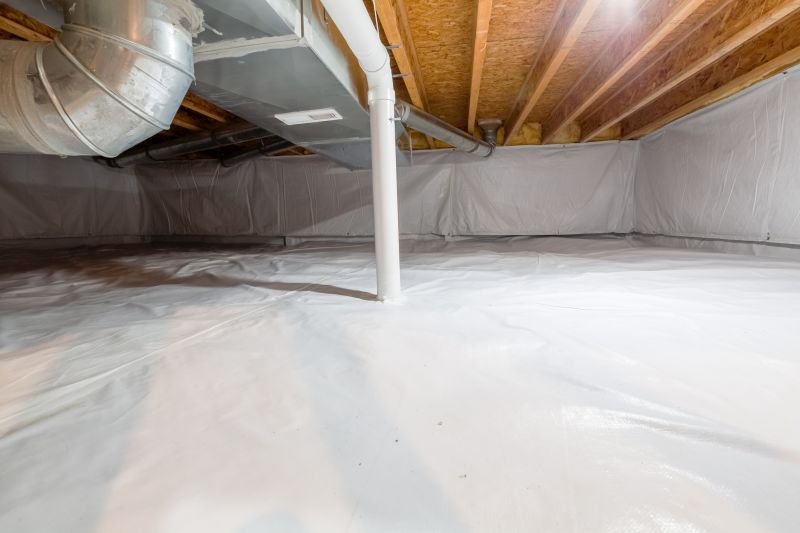
When selecting a local professional for vapor barrier installation, experience is a key factor to consider. Homeowners should look for contractors who have a proven history of completing vapor barrier projects similar in scope and complexity. Established providers often demonstrate familiarity with different types of vapor barriers and installation techniques, which can contribute to a more efficient and effective process. It’s beneficial to review the professional’s background to ensure they have the relevant hands-on experience necessary for quality results.
Clear communication and written expectations are essential for a smooth project. Reputable local pros typically provide detailed project descriptions, including scope, materials, and procedures, in written forms such as estimates or contracts. This transparency helps homeowners understand what to expect and reduces potential misunderstandings. Open channels of communication also allow for questions and adjustments along the way, fostering a collaborative approach to the installation process.
References and reputation are valuable indicators of a contractor’s reliability and quality of work. Homeowners should seek out local pros with positive references from past clients or verified reviews that highlight professionalism and consistent performance. Establishing a connection with service providers who are known for clear communication and dependable service can lead to a more confident and satisfactory experience. Since the site introduces local options rather than performing the work directly, it’s important to contact multiple providers to compare their experience, expectations, and references before making a decision.
Property owners in Chicago, IL use Vapor Barrier Installation services for practical projects around their homes and businesses. The sections below highlight everyday jobs and straightforward project options.
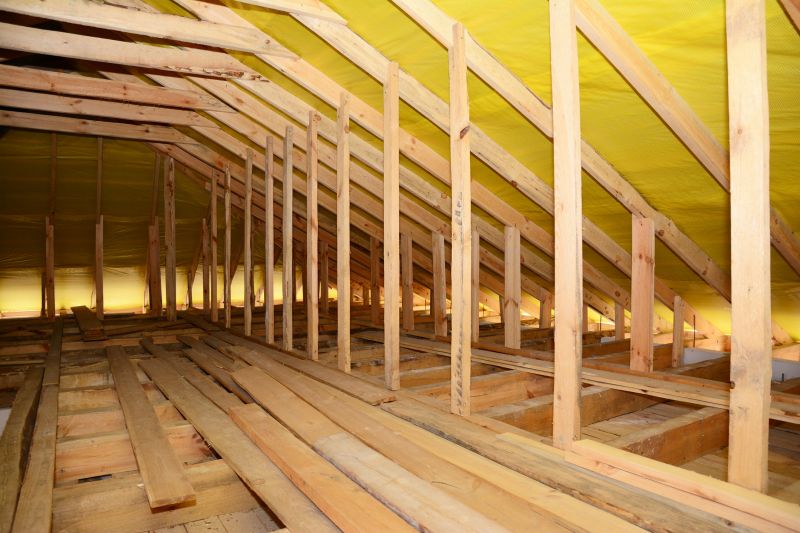
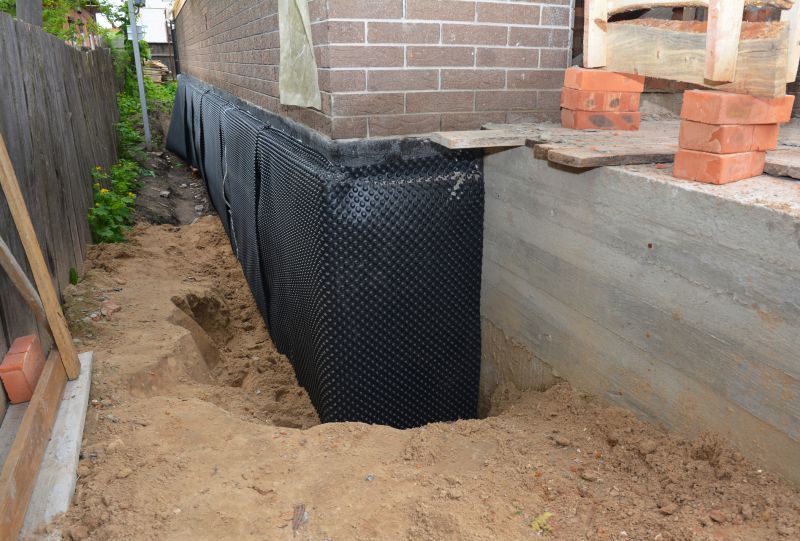
Vapor barrier installation is a common service sought by property owners in Chicago, IL looking to improve indoor comfort and protect their homes from moisture-related issues. Basements and crawl spaces are frequent areas where moisture can accumulate, leading to mold growth, wood rot, or structural damage. Installing a vapor barrier helps to prevent water vapor from seeping through floors and walls, creating a healthier environment and reducing potential repair costs over time.
Homeowners in Chicago may also consider vapor barrier services when preparing a space for renovation or finishing. Proper installation can enhance energy efficiency by controlling humidity levels and preventing dampness that can compromise insulation and building materials. Local service providers can assist with assessing specific needs and recommending appropriate vapor barrier solutions to suit different property types and conditions.
What is a vapor barrier and why is it important? A vapor barrier is a material installed to prevent moisture from passing through building surfaces, helping to control humidity and reduce mold growth.
Where are vapor barriers typically installed? Vapor barriers are commonly installed in basements, crawl spaces, and underneath concrete slabs to manage moisture levels.
How do I know if I need a vapor barrier installed? A local professional can assess your property for signs of excess moisture or mold, indicating whether a vapor barrier installation is advisable.
What materials are used for vapor barriers? Common materials include polyethylene plastic sheeting and foil-backed membranes, chosen based on the specific application.
How long does a vapor barrier installation typically take? The duration varies depending on the area size and complexity, but local contractors can provide estimates during consultations.
Vapor Barrier Inspection Services - Professionals can assess existing vapor barriers to ensure proper installation and effectiveness in your space.
Vapor Barrier Installation Consultation - Local experts provide advice on suitable materials and placement strategies tailored to your building type.
Basement Vapor Barrier Installation - Skilled contractors can install vapor barriers to help prevent moisture issues and improve indoor air quality.
Crawl Space Vapor Barrier Solutions - Service providers offer specialized installation to protect crawl spaces from moisture intrusion and related problems.
Considering Vapor Barrier Installation for a property in Chicago, IL? The sections above highlight common project types, practical options, and details that often shape the scope of work.
When you are ready, use the quote form to share a few details about your project. Local pros can review the basics and respond with options that match what you have in mind.